Artificial Intelligence: Integrate or Develop?
Artificial intelligence (AI) is now at the heart of digital transformation. But behind this term lie two distinct realities: integrating existing AI solutions and developing custom AI models. Understanding these two approaches is essential for companies that want to leverage AI strategically.
5/19/20251 min read
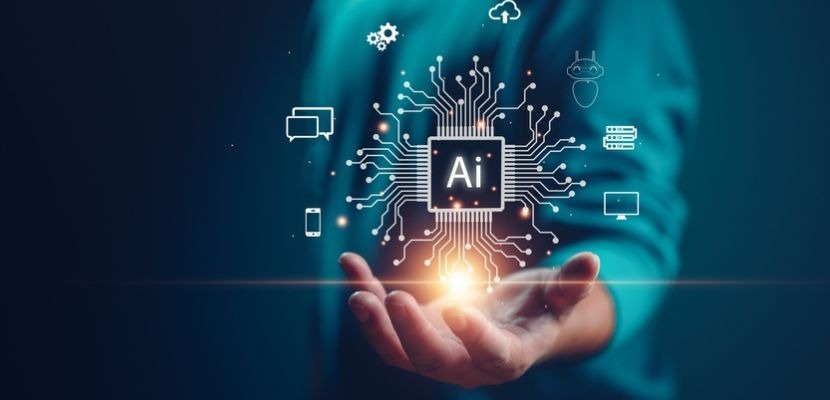
Integrating an AI Solution: Fast, Efficient, and Business-Oriented
Integrating existing AI tools involves leveraging pre-trained models, often offered as APIs (such as those from Google, Microsoft, or OpenAI). This allows companies to quickly add intelligent features like voice recognition, image analysis, automatic translation, or text generation.
This is an ideal solution for businesses that want to innovate without dedicating a technical team specifically to AI. Integration is faster, costs are controlled, and performance is often sufficient for standard business use cases.
Developing Your Own AI Model: Customization and Differentiation
Conversely, developing a custom AI model involves collecting specific data, training the model, and then optimizing it according to the company’s precise needs. This approach takes more time and is more costly, but it allows for deep customization and full control over the algorithm.
It is especially relevant when internal data has high added value or when generic solutions do not meet business requirements.
Integration or Development? One Does Not Exclude the Other. Integration allows for quick action, while development enables deep innovation. The choice depends on objectives, available resources, and the technological maturity of the organization. One thing is certain: AI is no longer an option but a strategic lever to be activated wisely.
e-synaptic
Leverage Madagascar’s Talent Hub Through Expert Outsourcing.
Contact
contact@esynaptic.mg
+261 34 74 620 75
© 2025. All rights reserved.
Lot III L 45 ter Ampanarinivoana, Ampahibato, Alasora, Antananarivo, Madagascar
it solutions
BPO